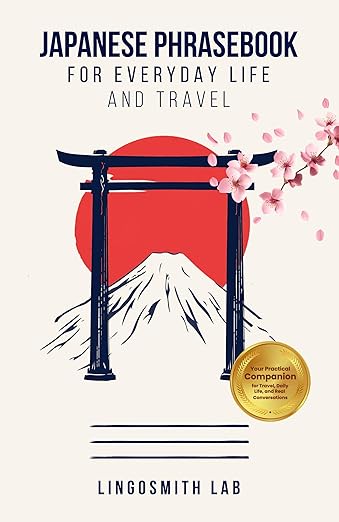


If you work with Japanese colleagues—or plan to—you don’t need advanced grammar. Japanese offices rely on fixed, repeatable phrases. Learn these, and you’ll sound polite, professional, and confident right away.
Below are the Top 10 most-used workplace phrases, with English first, then Japanese, plus extra practice lines you can say out loud.
1. Good morning
おはようございます (Ohayō gozaimasu)
Used when you:
- Enter the office
- Greet coworkers for the first time that day
- Start meetings (even in the afternoon)
Practice
- Good morning — おはようございます
- Good morning. I look forward to working with you today — おはようございます。今日もよろしくお願いします
- Good morning. I’m a little late — おはようございます。少し遅くなりました
2. Thank you for your hard work / Hello (at work)
お疲れ様です (Otsukaresama desu)
This is the most important phrase in Japanese work culture.
Used when:
- Greeting coworkers
- Ending meetings
- Messaging on Slack / Teams
- Leaving the office
Practice
- Thank you for your hard work — お疲れ様です
- Thanks for your hard work. Do you have a moment? — お疲れ様です。今お時間ありますか?
- Thanks for your hard work (after finishing) — お疲れ様でした
3. I appreciate your help / Please take care of this
よろしくお願いします (Yoroshiku onegai shimasu)
Used when:
- Starting tasks
- Asking for help
- Meeting someone new
- Ending emails
Practice
- I appreciate your help — よろしくお願いします
- Thank you in advance for today — 本日はよろしくお願いします
- Thank you for your continued support — 引き続きよろしくお願いします
4. Thank you very much / Thank you very much (past)
ありがとうございます / ありがとうございました
(Arigatō gozaimasu / Arigatō gozaimashita)
Gratitude is essential at work.
Practice
- Thank you very much — ありがとうございます
- Thank you for the explanation — ご説明ありがとうございます
- Thank you very much. That helped — ありがとうございました。助かりました
5. Please wait a moment
少々お待ちください (Shōshō omachi kudasai)
Used when:
- Checking information
- Answering calls
- Pausing discussions
Practice
- Please wait a moment — 少々お待ちください
- May I have a little time? — 少々お時間いただけますか?
- I’ll check briefly — 少し確認します
6. I’ll check / I checked
確認します / 確認しました
(Kakunin shimasu / Kakunin shimashita)
Professional and very common.
Practice
- I’ll check — 確認します
- I’ll check later — 後で確認します
- I checked. No problem — 確認しました。問題ありません
7. I understand
分かりました (Wakarimashita)
Shows attentiveness and reliability.
Practice
- I understand — 分かりました
- Yes, I understand — はい、分かりました
- I understand the details — 内容は分かりました
8. It’s okay / No problem
大丈夫です (Daijōbu desu)
Very flexible—tone matters.
Practice
- Yes, it’s okay — はい、大丈夫です
- It’s okay. Thank you — 大丈夫です。ありがとうございます
- I’m okay for now — 今は大丈夫です
9. May I check something quickly?
ちょっと確認いいですか? (Chotto kakunin ii desu ka?)
Used to:
- Ask questions
- Interrupt politely
- Clarify expectations
Practice
- May I check something quickly? — ちょっと確認いいですか?
- May I confirm one point? — 一点確認してもいいですか?
- I’ll check just to be sure — 念のため確認します
10. Excuse me
失礼します (Shitsurei shimasu)
Used constantly in offices.
Practice
- Excuse me (entering/leaving) — 失礼します
- Excuse me for leaving before you — お先に失礼します
- Sorry / Excuse me (after interrupting) — 失礼しました
Full Mini Office Role-Play (Say This Out Loud)
- Good morning — おはようございます
- Thank you for your hard work — お疲れ様です
- May I check something quickly? — ちょっと確認いいですか?
- I understand — 分かりました
- I’ll check — 確認します
- I appreciate your help — よろしくお願いします
- Excuse me — 失礼します
If you can say this smoothly, you can function in a Japanese office.
Common Mistake to Avoid
- Speaking too much
- Over-explaining
- Avoiding Japanese completely
Better approach: Use short, polite phrases repeatedly with a calm tone.
10-Minute Daily Practice Plan
- Read all phrases aloud — 3 minutes
- Choose 3 phrases and make new sentences — 3 minutes
- Role-play one work situation — 4 minutes
Final Thoughts
Japanese at work isn’t about impressive language.
It’s about respect, clarity, and consistency.
Master these phrases and you’ll:
- Sound professional
- Feel included
- Communicate smoothly—even as a beginner
Short. Polite. Consistent.
That’s real Japanese workplace fluency