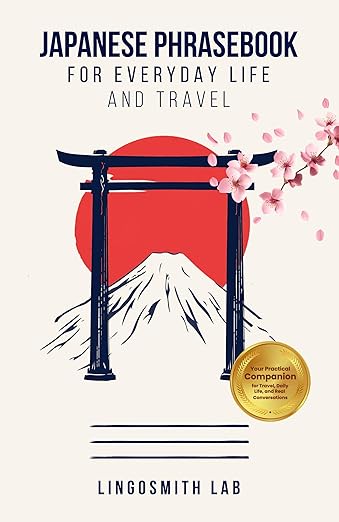


Learning Japanese doesn’t require hours of study, thick textbooks, or living in Japan. What it does require is a realistic routine, daily consistency, and focused practice.
If you’re a busy professional, parent, founder, or student, this 15-minute Japanese learning routine is built specifically for you. Short, intentional practice every day beats long study sessions you can’t sustain.
Below is a simple, repeatable blueprint you can use daily—even on your busiest days.
Why 15 Minutes a Day Works for Japanese
Japanese can feel intimidating because of kanji, grammar, and pronunciation—but small daily exposure changes everything.
Here’s why 15 minutes works:
- Low pressure → easier to start
- Daily habit → faster long-term progress
- Repetition → better memory for kana, words, and phrases
- Fits real life → commute, lunch break, or before bed
Consistency matters more than intensity.
The 15-Minute Daily Japanese Blueprint
Minute 0–2: Activate Your Japanese Brain (2 minutes)
Goal: Warm up, don’t overwhelm.
- Review 5–10 words or phrases
- Use flashcards or a phrase list
- Read them out loud once
Example:
- おはようございます (Good morning)
- ありがとうございます (Thank you)
- すみません (Excuse me / Sorry)
This helps your brain “switch to Japanese mode.”
Minute 2–7: Core Learning Block (5 minutes)
Goal: Learn one small concept.
Focus on only one of the following per day:
- A simple grammar pattern
- A short phrase set (travel, work, daily life)
- A verb form in context
Example:
- Today’s focus: です/ます form
- これは本です
- 今日は忙しいです
No memorization pressure. Just exposure and repetition.
Minute 7–11: Listening & Pronunciation (4 minutes)
Goal: Train your ear and mouth together.
- Listen to a short Japanese audio clip (30–60 seconds)
- Pause and repeat 1–2 sentences
- Focus on rhythm and clarity, not perfection
Good sources:
- Short dialogues
- Audio phrasebooks
- Slow Japanese learning content
This builds speaking confidence naturally.
Minute 11–14: Speak or Write (3 minutes)
Goal: Turn passive knowledge into active use.
Choose one:
- Say 3 short sentences out loud
- Write 3 simple sentences (kana is fine; kanji optional)
Example:
- 今日は仕事があります
- コーヒーを飲みます
Mistakes mean you’re learning correctly.
Minute 14–15: Anchor the Habit (1 minute)
Goal: Make tomorrow easier.
- Ask yourself: Where did I see or hear Japanese today?
- Imagine using one phrase tomorrow
- Stop intentionally—don’t overdo it
Ending early keeps motivation high.
Weekly Focus (Optional but Powerful)
Instead of random study, assign one theme per week:
- Week 1: Daily routines
- Week 2: Travel & transportation
- Week 3: Work & meetings
- Week 4: Food & ordering
Themes help your brain organize Japanese naturally.
Common Mistakes Busy Japanese Learners Make
Avoid these traps:
- Trying to master kanji too early
- Using too many apps at once
- Studying grammar without context
- Waiting until you “feel ready” to speak
Japanese fluency comes from use, not perfection.
What Real Progress Looks Like
After 30 days of 15 minutes/day:
- Kana feels familiar
- Common phrases come naturally
- Listening anxiety decreases
After 90 days:
- You form basic sentences confidently
- You understand simple conversations
- Japanese feels approachable, not overwhelming
That’s sustainable progress.